Pessaries Explained: What they are, how they work and what to expect
Vaginal support pessaries are a conservative, non-surgical option that can be very effective for managing certain pelvic health symptoms.
This page explains what pessaries are, who they may help, how fitting works, and what ongoing management looks like, so you can decide whether a pessary might be right for you.
As with all pelvic health physiotherapy care, pessary use is optional, guided by your preferences, and tailored to your symptoms and lifestyle.
What is a pessary?
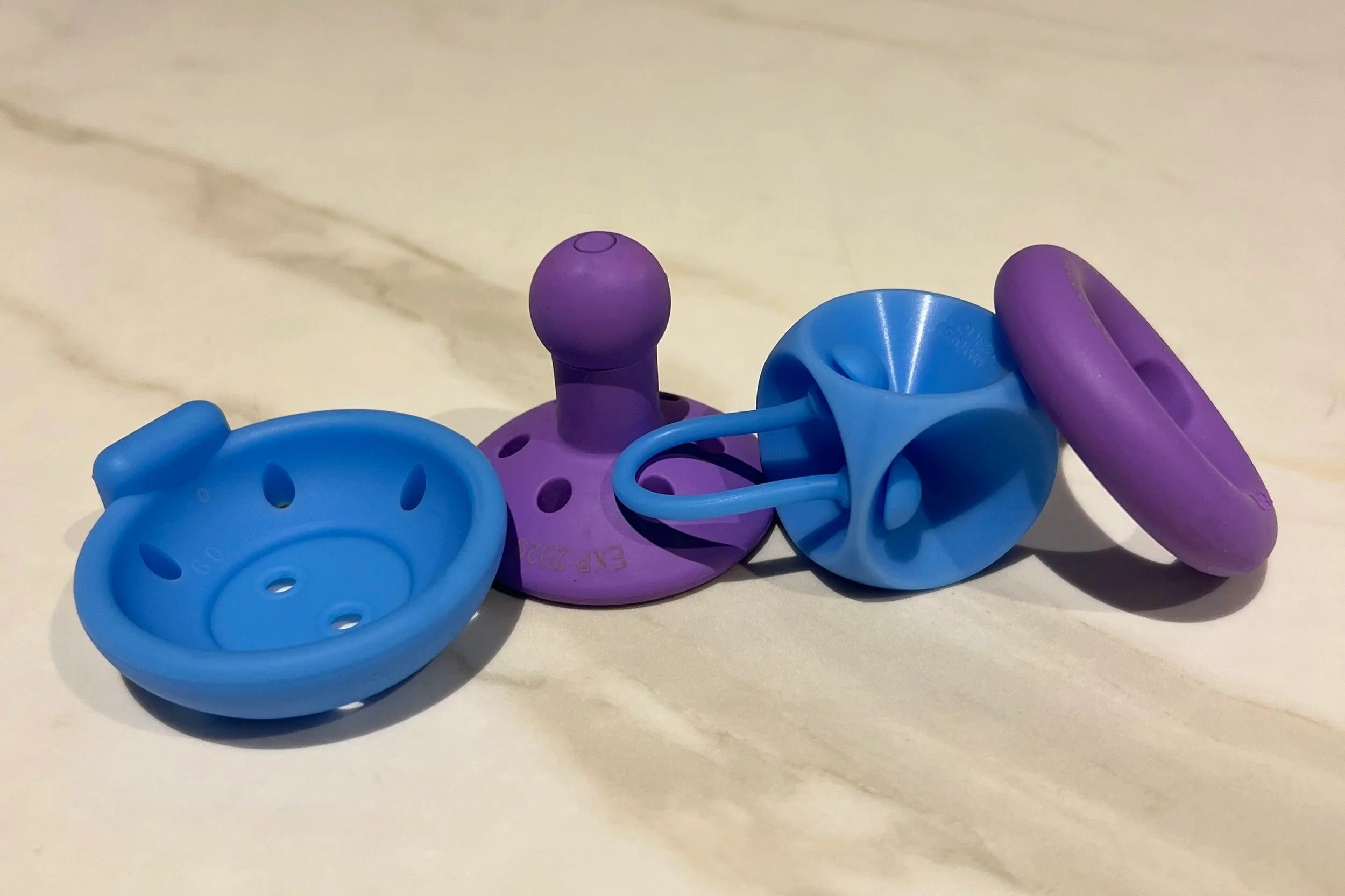
A pessary is a small, removable medical device that is inserted into the vagina to provide support to the pelvic organs.
Pessaries come in a range of:
Shapes
Sizes
Designs
This allows them to be tailored to different anatomies, symptoms, and activity levels.
They are made from medical-grade silicone and are designed to be safe, comfortable, and reusable.
What are pessaries used for?
Pessaries are most commonly used to help manage:
Pelvic organ prolapse
In pelvic organ prolapse, one or more of the pelvic organs (such as the bladder, uterus, or bowel) move downward and create a sensation of bulging, heaviness, or pressure.
A pessary works by:
Supporting the vaginal walls
Reducing downward movement of the pelvic organs
Improving symptoms such as heaviness, dragging, or bulging
Read more about physiotherapy for prolapse
Stress urinary incontinence
Pessaries can also be helpful for some people with stress urinary incontinence, where leakage occurs with activities such as coughing, sneezing, running, or jumping.
In these cases, a pessary may help by:
Providing support to the bladder neck
Offering gentle compression to the urethra
Improving continence during higher-load activities
Are pessaries the right option for everyone?
Pessaries can be an excellent option for many people, but they are not the right choice for everyone, and they are never the only option discussed.
We will always talk through all appropriate management options first, including:
Pelvic floor physiotherapy
Exercise-based management
Lifestyle strategies
Pessaries
Referral to medical or surgical specialists if indicated
The decision to use a pessary is always based on your preferences, your symptoms, and your goals.
When are pessaries fitted?
Pessaries are never fitted at an initial appointment (read more about what to expect at an initial appointment)
This is deliberate and important.
Before considering a pessary fitting, we will:
Thoroughly assess your symptoms
Discuss your diagnosis
Explore conservative management options
Talk through the pros and cons of pessary use
Ensure you feel informed and comfortable with the decision
Only if a pessary feels like a good option for you will we proceed to a fitting appointment.
Factors that can affect pessary fitting
Some factors can make pessary fitting more challenging — though not necessarily impossible — including:
Previous hysterectomy
Individual anatomical differences
Degree of pelvic floor support
These factors may influence:
Which pessary shapes are suitable
How easily a pessary stays in place
How many options need to be trialled
This is why adequate time and a careful fitting process are so important.
Important note about previous mesh surgery
If you have previously had pelvic mesh surgery, including mesh procedures for:
Pelvic organ prolapse, or
Urinary incontinence
We are unable to fit you with a pessary due to the increased risk of complications.
In these situations:
A urogynaecologist or gynaecologist may still be able to assist with pessary management
We can help guide you as to whether a pessary may still be appropriate under specialist care
We can support you with conservative pelvic health physiotherapy alongside specialist input
What happens at a pessary fitting appointment?
A pessary fitting appointment is one hour long.
This allows enough time to:
Assess vaginal tissues
Trial different pessaries if required
Ensure comfort and symptom reduction
Teach you how to manage the pessary safely
Sometimes the correct pessary is found quickly.
Other times, several options need to be trialled. Both are completely normal.
Step 1: Vaginal examination
We begin with a vaginal examination to:
Assess tissue health
Understand pelvic floor muscle function
Help guide which pessary size and shape is most likely to be appropriate
This examination is discussed in detail beforehand and only performed with your consent.
Step 2: Inserting the pessary
The pessary is inserted using lubricant.
Insertion should not be painful.
Once in place, we assess:
Comfort
Positioning
Whether it provides adequate support
You may be asked to:
Cough
Bear down
This helps check that the pessary stays in place and is doing its job while lying down.
Step 3: Functional testing
If the pessary feels comfortable and supportive while lying down, we then assess it during everyday activities.
This may include:
Walking
Squatting
Coughing
Running (if this is something you do regularly)
Emptying your bladder
The goal is to ensure that the pessary:
Remains comfortable
Reduces your symptoms
Does not interfere with bladder or bowel emptying
If symptoms persist or discomfort occurs, we may trial a different size or style.
Step 4: Learning to insert and remove the pessary
If the pessary is working well, we will then teach you how to:
Insert it yourself
Remove it yourself
We will never send you home with a pessary unless you feel:
Completely confident
Comfortable managing it independently
You’ll have plenty of opportunity to practise and ask questions.
Managing your pessary at home
You will be given clear, written instructions covering:
How often to remove your pessary
How and when to clean it
How long to leave it out
What symptoms or changes would be a concern
Depending on the pessary type, it is usually recommended to leave it out overnight every 1–3 weeks.
We will tailor this advice to your specific pessary and circumstances.
Vaginal oestrogen (post-menopause)
If you are post-menopausal, we may discuss (in conjunction with your GP) whether vaginal oestrogen could be beneficial.
Vaginal oestrogen can:
Improve tissue quality and elasticity
Reduce dryness or irritation
Improve comfort with pessary use
This is a local treatment and is different from systemic hormone therapy.
Follow-up and ongoing care
After your initial pessary fitting, we will:
- Review you after 2–3 weeks to ensure everything is going well
- Review again around 12 weeks after the initial fitting
Pessaries need to be replaced annually, as per manufacturer guidelines, so we will see you yearly for this.
In addition, you will need to see your GP annually for a speculum examination to check the health of your vaginal tissues
This combination ensures pessary use remains safe and effective long term.
How pessaries can change things over time
Interestingly, some people notice that after using a pessary for around six months, their symptoms may improve even when they are not wearing it.
This can happen because:
The pessary may lead to some shortening and improved support of connective tissues
Pelvic organ support improves over time
This doesn’t happen for everyone, but it does occur in a meaningful proportion of people.
For this reason:
We may be able to downsize your pessary after 3–6 months
Your pessary needs may change over time
How people use their pessaries day to day
There is no single “right” way to use a pessary.
Common approaches include:
Wearing it all day, every day, and removing it as instructed
Wearing it only during work or exercise
Starting with daily use and gradually reducing to use only for higher-load activities
Your use may change over time as symptoms improve.
Pessary fitting is a specialised skill.
Pessary fitting requires advanced training beyond standard physiotherapy qualifications, as well as experience with a wide range of pessary types and presentations. Our physiotherapist Melissa has completed advanced training in pessary fitting and has been fitting pessaries for over five years, allowing for careful assessment, appropriate selection, and safe ongoing management.
A final word
A pessary is a tool, not a commitment to one path of care.
When it’s the right option and fitted correctly, a pessary should:
- Reduce your symptoms
- Be comfortable
- Not interfere with bladder or bowel emptying
- Fit into your lifestyle
The decision to use one is always yours, and we’re here to guide and support you every step of the way.
If you’re unsure whether a pessary is right for you, that conversation can happen at your pace with no pressure and no expectation.